

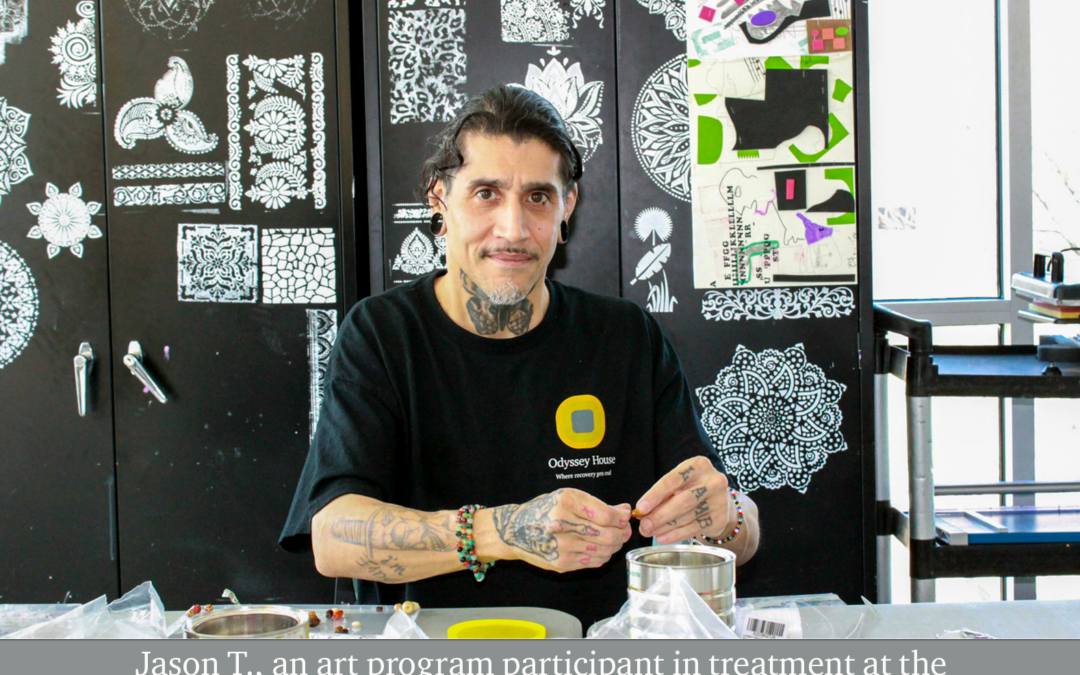
Dr. Kate Rothko Prizel, Odyssey Foundation Board Chair, reflects on the opening of the Kate Rothko Center for Recovery at Odyssey House — a first-of-its-kind facility offering medication for addiction treatment (MAT) alongside a vibrant arts program. Drawing on her upbringing in New York’s art world, her medical career, and her personal connection to the issues this population faces, Dr. Rothko shares what makes this building — and this approach to treatment — a model for the city.

The Kate Rothko Center for Recovery (KRCR) is a newly opened 60-bed residential facility serving adult men who are prescribed MAT for opioid use disorder. Located on Wards Island in New York City and operated by Odyssey House, the Kate Rothko Center provides a structured, supportive, and clinically rich environment designed to meet the complex needs of men in early recovery.
“The Kate Rothko Center for Recovery represents the very best of what Odyssey House strives to be — a place where decades of learning and listening have shaped a new standard of care for men in early recovery from opioid use disorder.
By combining an innovative clinical approach with individualized attention to each resident’s psycho-social and medical needs, we are proud to open its doors and honored to dedicate it in Dr. Rothko’s name.” –Peter Provet, Ph.D., President and CEO, Odyssey House
A Program Built for Innovation
The KRCR provides each resident with an individualized plan of care that includes:
- Individual therapy and mental health counseling
- Trauma-informed and grief counseling
- Medication management and MAT support
- Complex care management
- Recovery support services
- Activities of daily living skill development
- Vocational and educational counseling
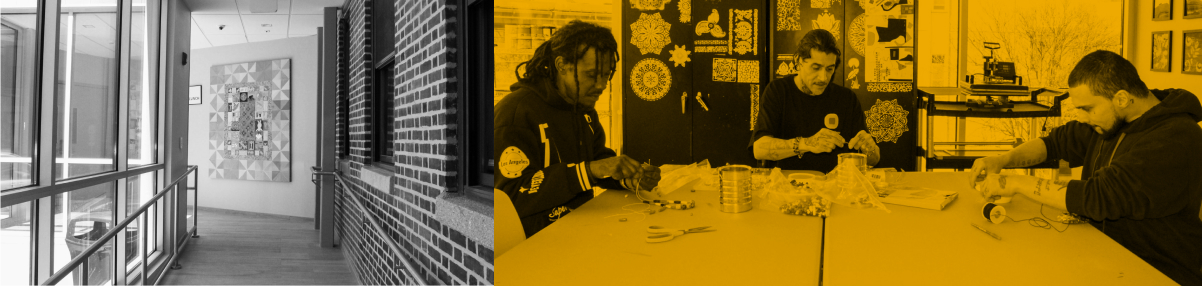
- Recreational and Expressive Arts services
- Residents also have direct access to expanded medical, dental, and recreational services at the adjacent George Rosenfeld Center for Recovery.
The KRCR is committed to developing new models of care in three key areas:
- A clinical pathway for residents who choose, under physician guidance, to discontinue MAT
- A recovery coaching model tailored specifically to men receiving MAT in early recovery
- A vocational program addressing the employment and educational challenges unique to this population